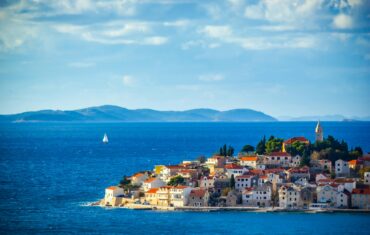
Spain is one of the pricier coastal destinations in Southern Europe, especially the Balearic Islands (Mallorca, Ibiza) and the popular Costa del Sol. However, you can absolutely enjoy a seaside vacation in Spain on a budget if you know where to go and what type of accommodation to book.
The key is to avoid luxury resorts and focus on regions with a large supply of rental properties and those that are popular among Spanish families.
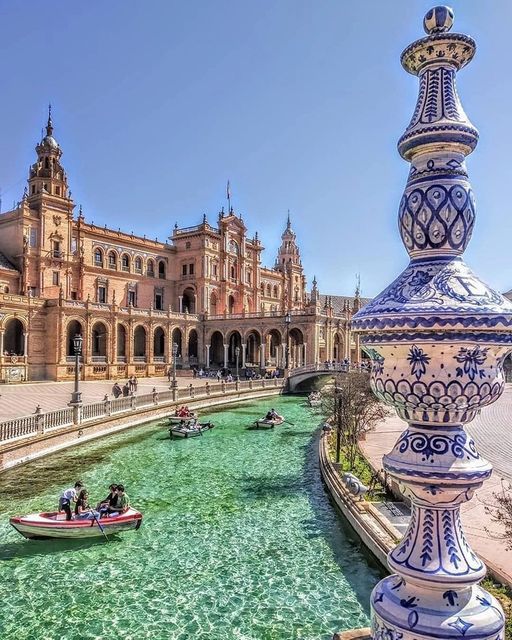
1. Best Budget Coastal Destinations
For the greatest savings, look for accommodation on the Mediterranean coast and avoid the North and the Islands.
I. Costa Blanca (Valencia Region)
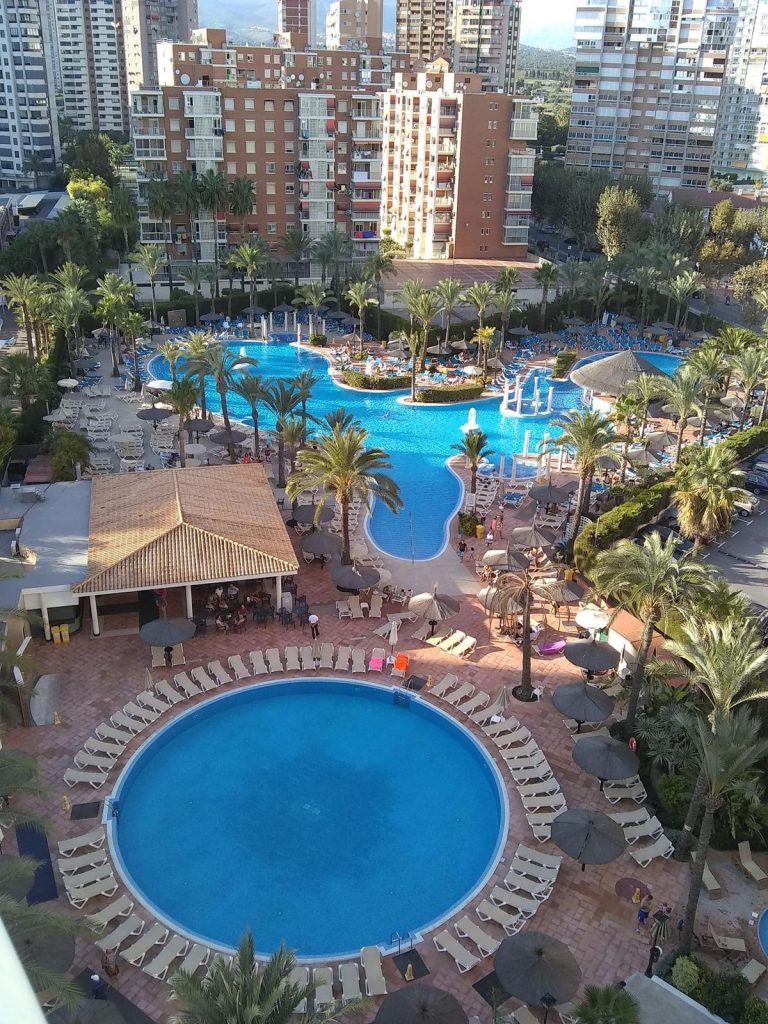
The Costa Blanca area has a huge volume of holiday rentals, which helps keep prices down.
- Cheapest Areas: Focus on resorts south of the busy Benidorm, such as Torrevieja or Santa Pola. These towns are popular with foreign residents and have a large supply of private apartments with kitchens at very good rates.
- What to look for: Weekly rentals of private apartments in large residential complexes.
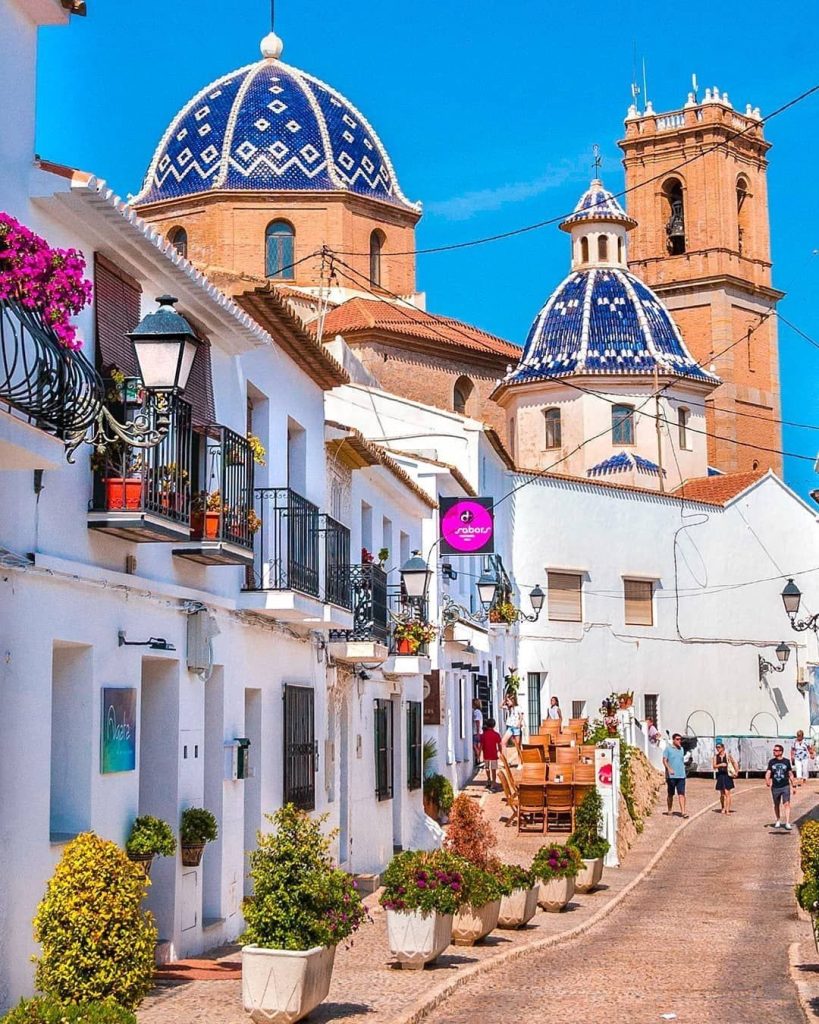
II. Costa de Almería (Andalusia)
This part of Andalusia is less famous than the Costa del Sol and is drier, but it offers beautiful beaches and lower prices.
- Why it’s cheap: It receives fewer international flights and focuses more on domestic Spanish tourism.
- What to look for: Seek accommodation in smaller towns like Roquetas de Mar or Mojácar. In Mojácar, you can find simple hostales and private rooms.

III. Costa Brava (Catalonia)
Although the Costa Brava is near Barcelona (making it generally more expensive), you can still find affordable options.
- Specific Towns: Avoid the costly, upscale pueblos (villages) and look for more budget-friendly resorts like Lloret de Mar or Blanes. These places cater to younger people and families and have a large supply of older hotels and hostels with accessible prices.
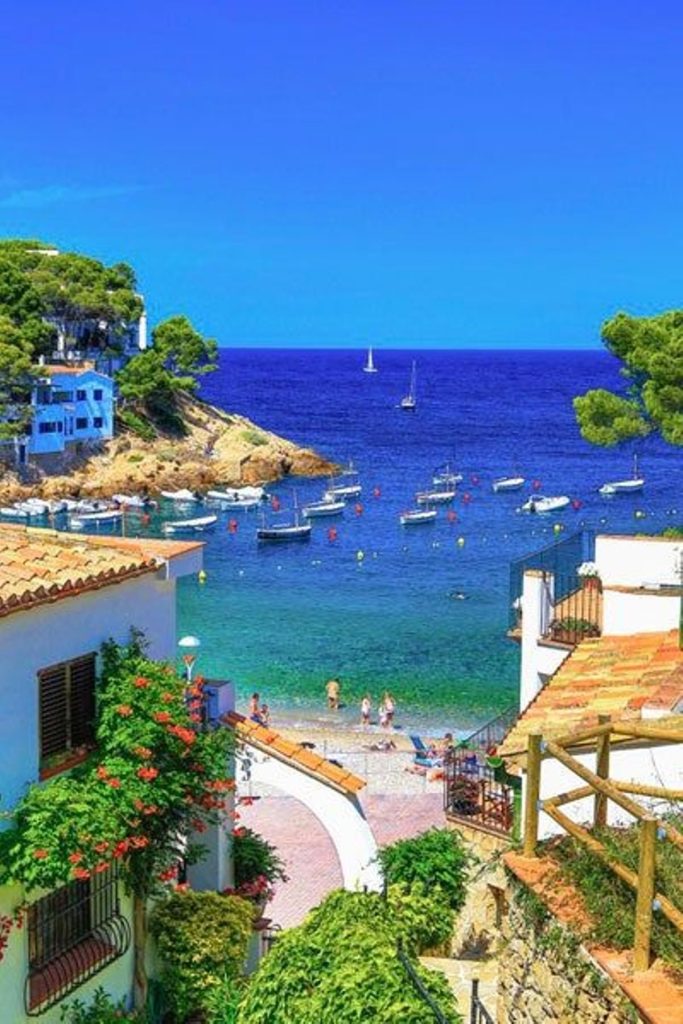
2. Cheapest Accommodation Types (Hotels vs. Private)
In Spain, three types of lodging are key to keeping costs down:
A. Private Apartments (Apartamentos Turísticos)
This is the single best way to save money.
- The Advantage: An apartment with a kitchen allows you to cook your own breakfast and lunch. In Spain, where restaurant lunch can be expensive, this is a substantial saving.
- Search for: Look for standard apartments in residential areas, not luxurious beachfront villas.

B. Hostels and Pensions (Hostales / Pensiones)
If you are traveling solo or as a couple and just need a simple place to sleep, these are the cheapest options:
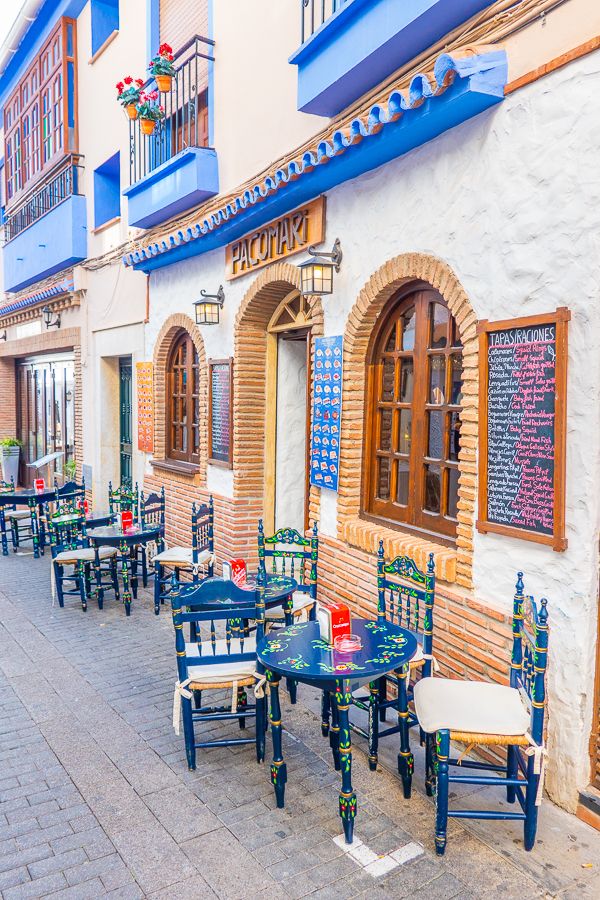
- Hostales: In Spain, a „Hostal“ is not the same as a „Hostel.“ It is a budget-friendly, simple hotel with its own private room and bathroom but with less service than a full hotel (often no restaurant).
- Pensiones: The most basic, family-run guesthouses, perfect for a very low budget.
C. Older, Simple Hotels
If you insist on staying in a hotel, look for:
- 2-Star Hotels: Focus on 2-star hotels in coastal towns that are a 10–15 minute walk from the beach. They usually only offer breakfast but are much more affordable than their 3- or 4-star counterparts.
3. Financial Tips for Spain
- Timing: Travel in May, June, or September. Accommodation and flight prices are significantly lower then. July and August are peak season, and prices surge, especially in the most popular regions.
- Dining: Lunch is the most expensive meal of the day. If you go to a restaurant, look for the Daily Menu (Menú del Día), which is only available on weekdays and offers 2-3 courses for a fixed, good value price (often €10–€15).
- Transport: If you’re focused on the coast, use the cheap and efficient buses for intercity travel instead of the more expensive trains.
- Beaches: Fortunately, all beaches in Spain are public and free. Save money by bringing your own towel and umbrella instead of renting sunbeds and parasols.
By focusing on cost-effective regions like Costa Blanca and opting for a private apartment, you can enjoy an pleasant and affordable seaside holiday in Spain.