Croatia, with its crystal-clear waters and thousands of kilometers of coastline, is a perennial favorite. It offers stunning beaches, from iconic stone spits to hidden sandy coves. Here is your comprehensive guide to the „viral“ must-see beaches, the best time to visit, and key travel advice before you go.
1. Top 5 „Viral“ Croatian Beaches You Must See
While Croatia is famous for its smooth pebble beaches, you can still find beautiful sandy stretches and photogenic, iconic locations that dominate social media.
| Beach / Location | Beach Type | Why It’s „Viral“ | Ideal For |
| Zlatni Rat (Golden Horn), Brač Island | Pebble | Iconic Shape! This beach near the town of Bol is a natural phenomenon, changing shape and direction depending on the wind and currents. It’s a Blue Flag beach and popular with windsurfers. | Active travelers and photography enthusiasts seeking the perfect shot. |
| Rajska Plaža (Paradise Beach), Rab Island | Sand | Shallow for 400 Meters! One of the longest and largest sandy beaches in Croatia. The water is incredibly shallow and heats up very quickly. | Families with small children and non-swimmers. |
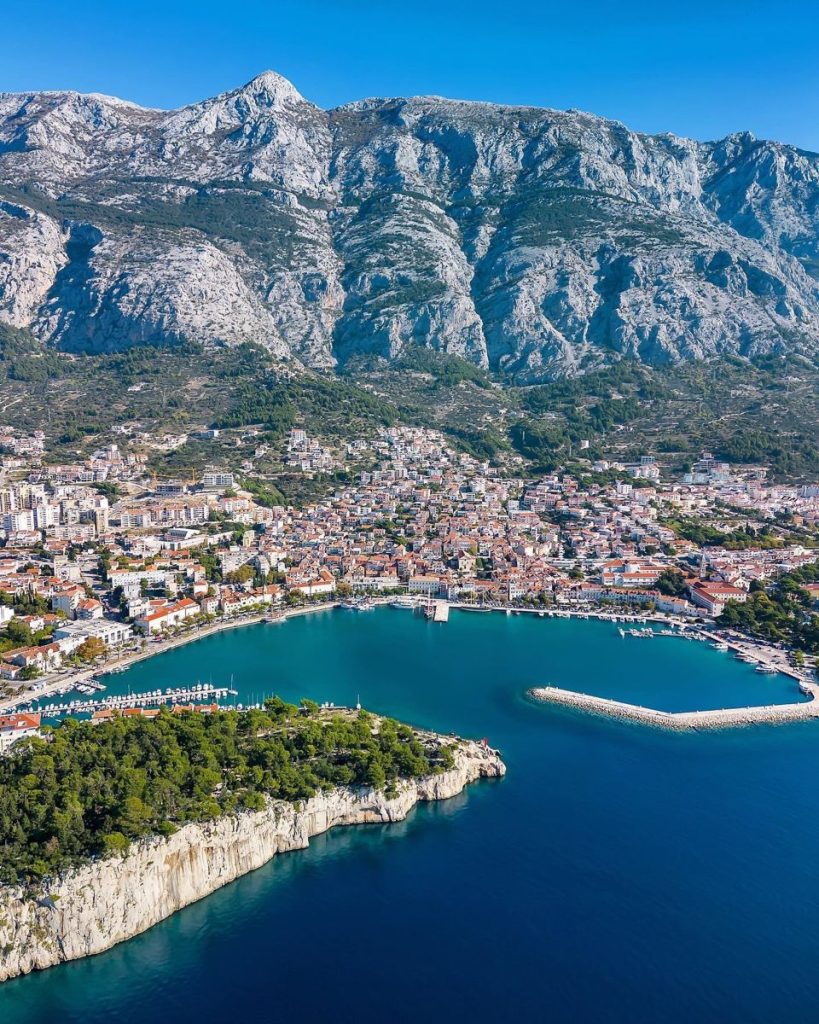
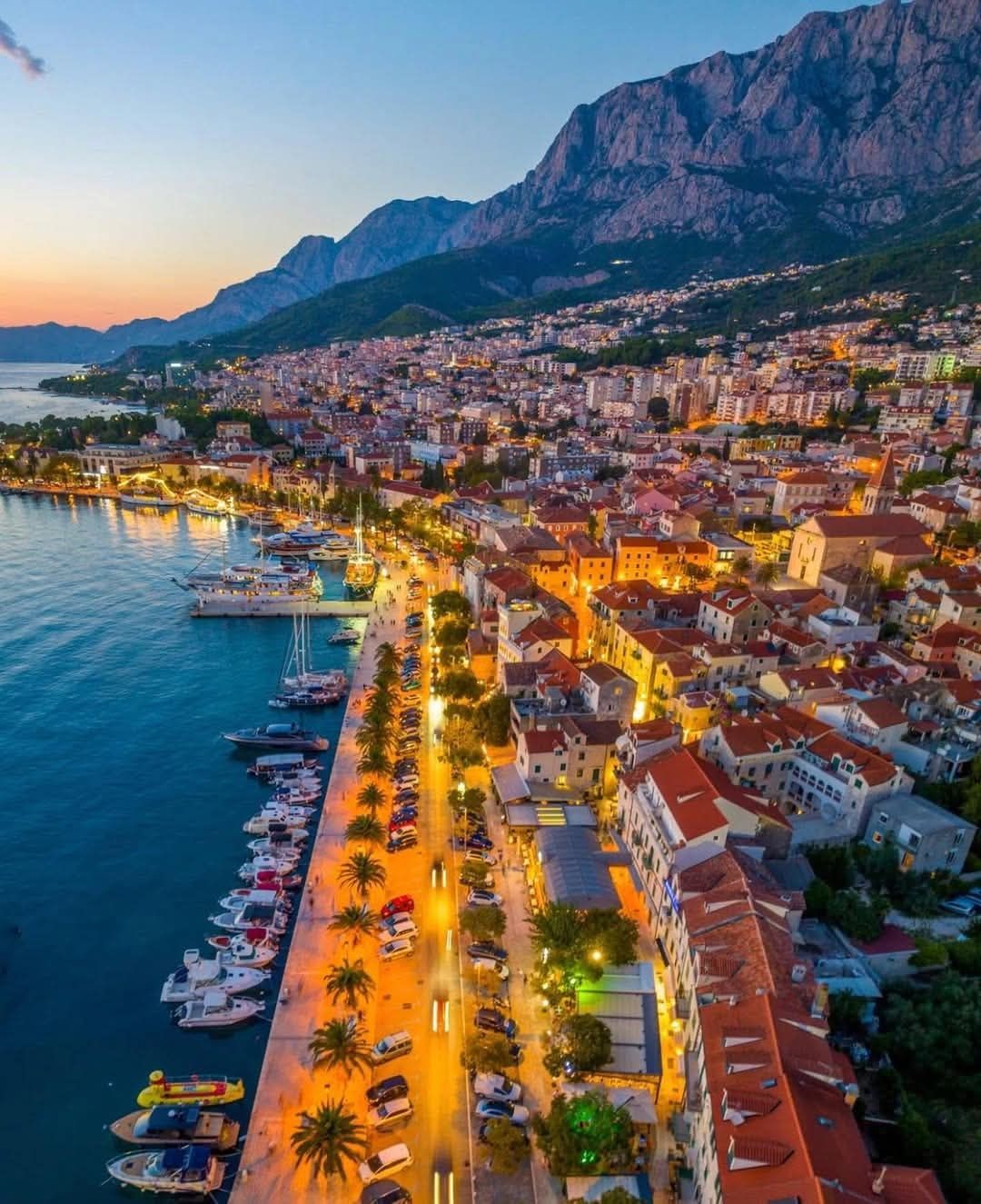
| Punta Rata, Brela (Makarska Riviera) | Pebble with Sand Entry | Rated Best in Europe. Forbes magazine once named it one of the top 10 beaches in the world. Features the famous Brela Stone (a rock with pine trees) and offers shade from a bordering pine forest. | Families, couples, and admirers of dramatic natural scenery. |
| Sakarun, Dugi Otok | Fine White Sand | The „Caribbean of the Adriatic.“ Features stunning turquoise water, soft white sand, and a tranquil atmosphere surrounded by pines. It truly feels like an escape. | Those seeking peace, quiet, and exotic, bright blue water. |
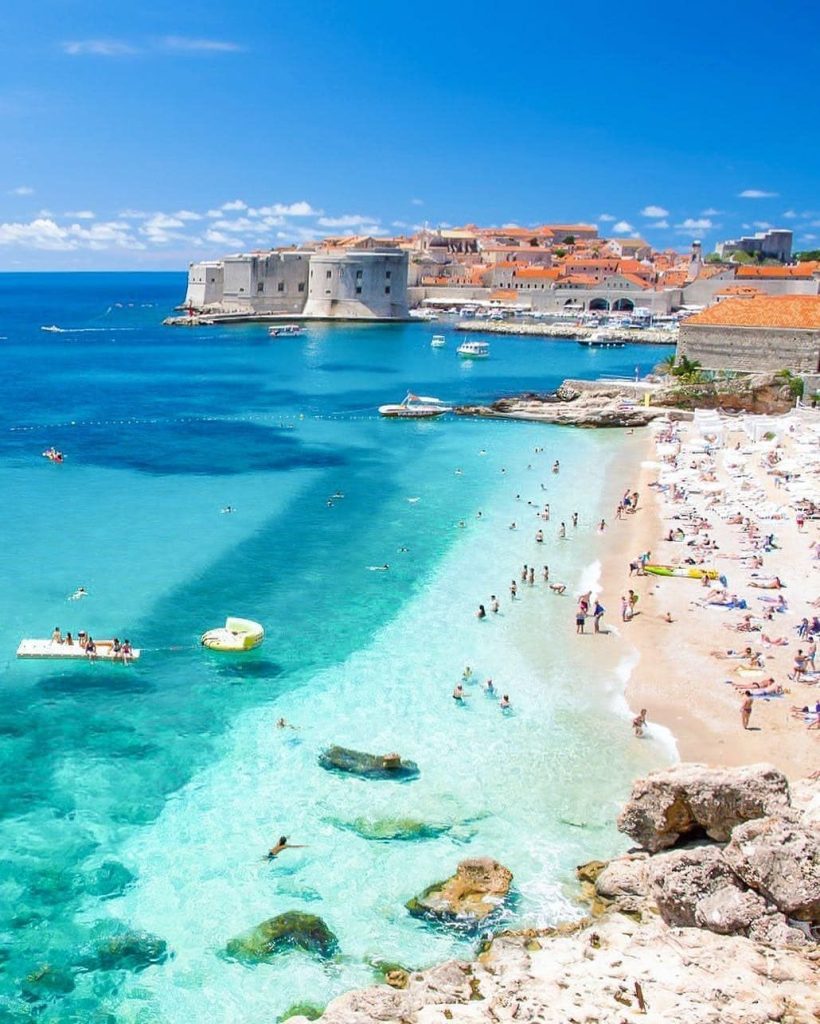
| Banje Beach, Dubrovnik | Pebble | The View Beach. A city beach located right beneath the historic Dubrovnik Walls. It perfectly combines swimming with culture, and turns into a nightlife spot in the evening. | Travelers who want to mix sightseeing, swimming, and urban fun. |
2. When to Travel: Ideal Months and Water Temperature
The official tourist season on the Adriatic runs from May to October, but the best time for swimming is from June to September.
Average Coastal Temperatures (July / August)
- Air Temperature: Average 28−31∘C (82−88∘F) (can peak higher).
- Sea Temperature: Average 24−26∘C (75−79∘F) (in shallow coves like Rajska Plaža, it can be warmer).
- Best Time to Go: June and September.
- June offers pleasant air temperatures, and the crowds haven’t peaked.
- September often has the ideal combination: air temperatures around 25∘C, minimal rainfall, and the sea is still very warm (23−24∘C) thanks to the summer heat accumulation. Prices are also noticeably lower than in peak season.
- September Tip: While early September is usually warm and stable, the second half of the month can become less predictable, particularly in Northern Croatia. The further south you go (Dalmatia, Dubrovnik), the better the chance for consistent sunshine.

3. Practical Tips for Travel and Accommodation
Getting There
- By Car (Most Popular Option): Croatia is easily accessible by car for many Europeans. Remember to account for:
- Vignettes/Tolls: You’ll need road tax stickers (vignettes) in transit countries (e.g., Hungary, Slovenia).
- Tolls (Cestarina): In Croatia, tolls are paid at toll gates, not via stickers. Have cash (Euros are accepted at a slightly unfavorable rate) or a credit card ready.
- Green Card (proof of insurance) is mandatory.
- By Plane: Fly into Zadar (Northern Dalmatia), Split (Central Dalmatia), or Dubrovnik (Southern Dalmatia) for quick access to the islands and coast.
Hotels & Money
- Accommodation Type: Private apartments (privat smještaj) remain the most popular and budget-friendly choice. Larger hotels and resorts are available in major destinations, and the quality of All-Inclusive services is steadily improving.
- Booking: For the best selection, especially family-friendly resorts during peak season, book early (First Minute offers).
- Currency: Since January 1, 2023, the official currency of Croatia is the Euro (€).
- Payment: Credit cards are widely accepted in cities, hotels, and supermarkets. However, for smaller bakeries, local markets, and isolated beach stalls, you will need cash (Euros).
The Essential Item
- Water Shoes: A game-changer! Since most beaches are pebble or rock, water shoes are highly recommended to protect your feet and make entering and exiting the sea much more comfortable.
The Cleanliness Factor
- Croatia consistently boasts some of the cleanest sea water in Europe. Numerous beaches have been awarded the prestigious Blue Flag for high standards of water quality, cleanliness, and services.
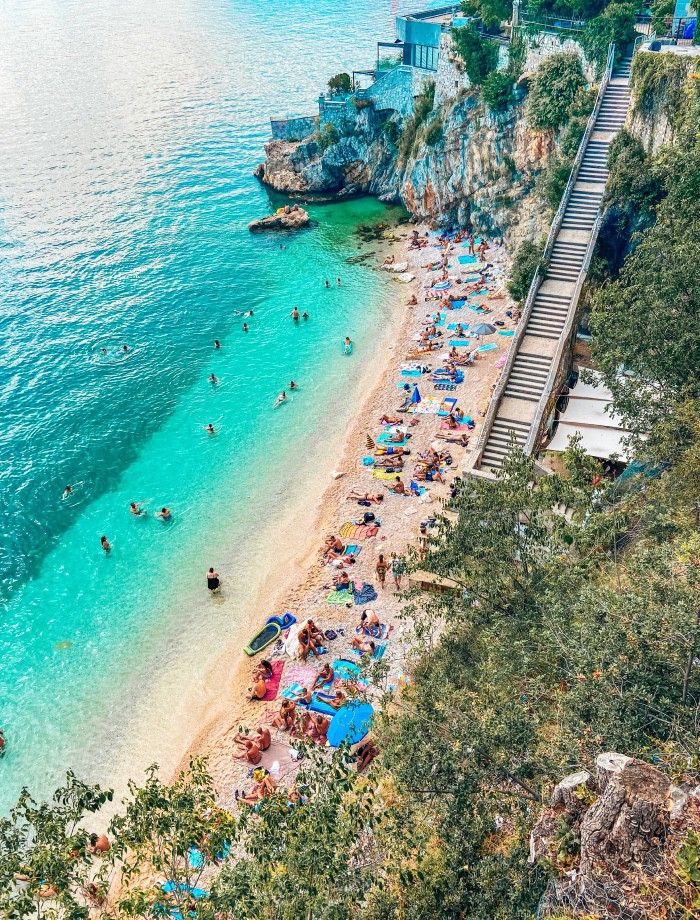
Final Takeaway: If you crave sand, heat, and very shallow water, focus on Rab Island (Rajska Plaža) or the area around Nin (Kraljičina Plaža, also known for its healing mud). For azure, crystal-clear water and dramatic scenery, head to the Makarska Riviera (Punta Rata) or Brač Island (Zlatni Rat).