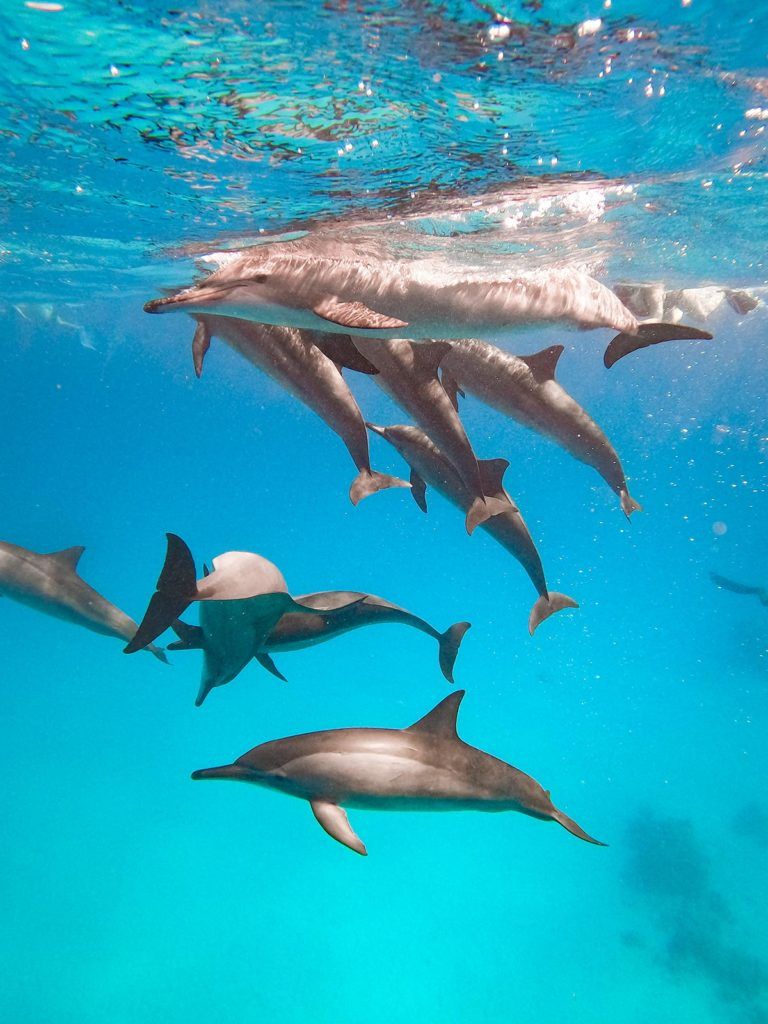
Egypt, particularly the coast of the Red Sea, is globally renowned for its crystal-clear waters and one of the richest underwater environments on the planet. Here is your guide to the „viral“ must-see beaches, the ideal time to visit, and practical tips for a worry-free vacation.
1. Top „Viral“ Beaches in Egypt (Red and Mediterranean Sea)
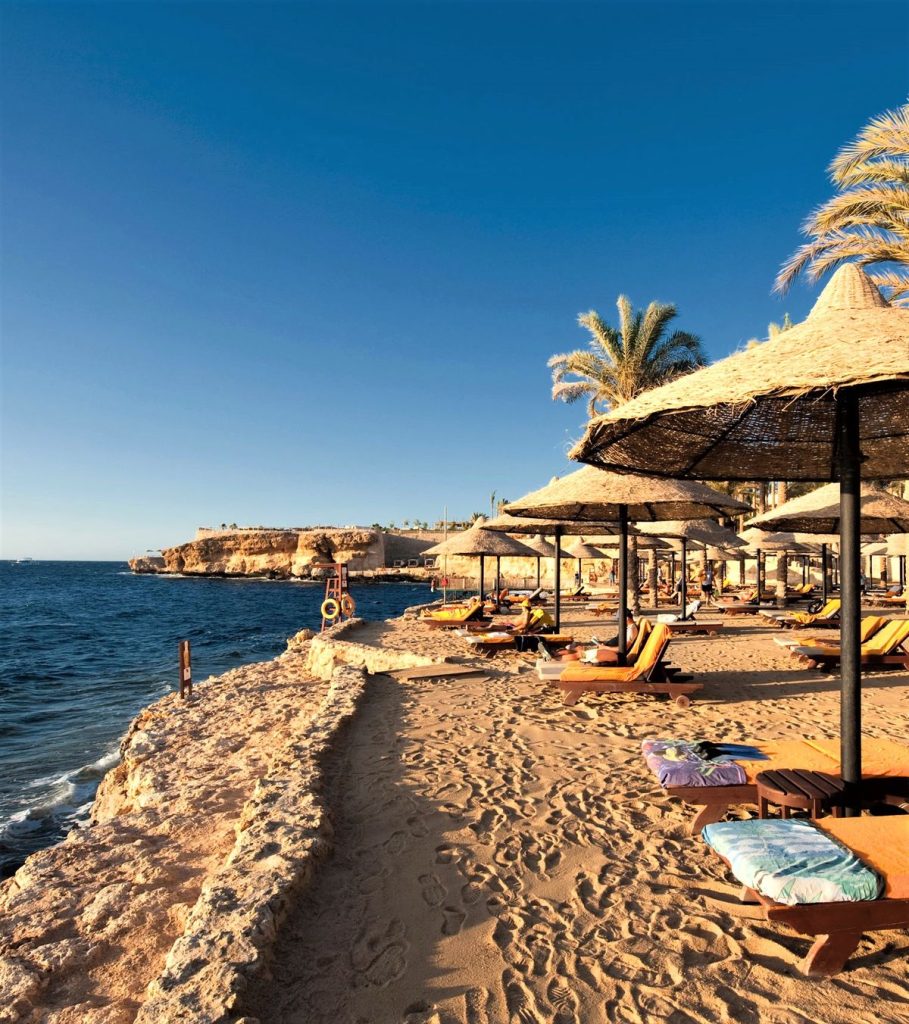
Egypt is a paradise for divers and snorkelers, but you can also find Caribbean-style beaches with fine white sand.
| Beach / Location | Beach Type / Attraction | Why It’s „Viral“ | Ideal For |
| Sharm El Luli (Marsa Alam) | Fine white sand, lagoon, reefs close to shore. | „The Egyptian Caribbean.“ Widely considered one of the most beautiful beaches in Egypt. Features shallow, turquoise water. | Nature lovers, photographers, and snorkelers. |
| Orange Bay / El Mahmya (Giftun Island, Hurghada) | White sand, clear turquoise water. | Exotic Resort Escape. These island beaches (accessible by boat from Hurghada) are known for soft white sand and often compared to the Maldives. | Those seeking sand, relaxation, and a boat trip excursion. |
| Ras Um Sid (Sharm El Sheikh) | Coral reef, rocky water entry (often via a jetty). | Best Snorkeling Right Off the Hotel. Stunning, untouched coral reefs that are easily accessible from a nearby jetty. | Divers and snorkelers (beginners and advanced). |
| Marsa Nayzak (Marsa Alam) | Natural rock pool. | Unique Natural Phenomenon. A small cove where the sea current created a natural „eye“ or pool in the rock formation. | Fans of unique locations and non-traditional swimming spots. |
| Naama Bay (Sharm El Sheikh) | Sandy cove. | Nightlife and Entertainment Hub. The beach is at the center of the action, surrounded by bars, restaurants, and clubs. | Active travellers looking for sand and lively nightlife. |
| Caesar Bay / Cleopatra Beach (Marsa Matrouh) | White sand, turquoise water. | „The Egyptian Maldives.“ Located on the Mediterranean Coast (not the Red Sea). Known for exceptionally white sand and luxurious resorts. | Those seeking soft sand and don’t mind the lack of corals. |
2. When to Travel: Ideal Timing and Temperatures
Egypt is a year-round swimming destination, but air temperatures vary significantly.
Optimal Travel Periods
- Best Time (Spring and Autumn): March – May and September – November
- Temperatures are perfect for beach relaxation and for trips to historical sites (Luxor, Giza).
- Summer Months (June – August):
- These are the hottest months. Average daily coastal temperatures reach 32−35∘C, but inland (Luxor, Aswan) they often exceed 40∘C. Ideal for heat lovers and divers (the water is warmest).
- Winter Months (December – February):
- The mildest and coolest. Air temperatures hover around 22−25∘C. Expect stronger winds, especially in January/February.
Air and Water Temperature (Red Sea)
| Period | Average Air Temperature | Average Sea Temperature | Note |
| Spring (Apr/May) | 26−31∘C (79−88∘F) | 24−26∘C (75−79∘F) | Optimal! Sea temperature rising. |
| Summer (Jul/Aug) | 33−35∘C (91−95∘F) | 28−29∘C (82−84∘F) | Hottest weather, sea is like bathwater. |
| Autumn (Sept/Oct) | 28−32∘C (82−90∘F) | 26−27∘C (79−81∘F) | Ideal! Sea is pre-heated from summer. |
| Winter (Jan/Feb) | 20−23∘C (68−73∘F) | 21−22∘C (70−72∘F) | Cooler, but swimming is still pleasant. |

3. Key Travel and Hotel Information
A. Visa and Documentation
- Passport: Must be valid for at least 6 months beyond your planned departure date from Egypt.
- Visa (Entry Stamp):
- A tourist visa is required for entry (except under special conditions for the Sinai Peninsula).
- The easiest way to get it is upon arrival at the airport at the bank counter (before passport control).
- The fee is typically 25 USD (USD and Euros are accepted). It’s required for Hurghada, Marsa Alam, and trips to Cairo/Luxor.
- Tip for Sharm El Sheikh: If you stay in the South Sinai area for under 15 days and don’t take mainland excursions, you can get a free „Sinai Only“ stamp instead of the paid visa. If you plan to visit the Pyramids, you need the paid visa.
B. Health and Hygiene (Pharaoh’s Revenge)
- Drinking Water: NEVER drink tap water, not even for brushing your teeth. Drink only bottled water and avoid ice in drinks (unless you are certain it’s made from purified water).
- Pharaoh’s Revenge: Gastrointestinal issues are common. It’s recommended to bring proven medication from home, or buy local remedies like Antinal or Drotazid at a local pharmacy, which are very effective. Start taking probiotics before you travel.
- Sun Protection: The sun is extremely strong. Bring high SPF sunscreen and a hat/scarf.
C. Payments and Currency
- Currency: The official currency is the Egyptian Pound (EGP).
- Payments: Hotels and large stores accept cards, Euros, or USD. For small purchases, markets, and tipping, you need cash (EGP). Exchanging money on the „black market“ is illegal.
- Bargaining: Haggling is common and expected in markets and street shops. Be prepared for the initial price to be significantly inflated.
D. Hotel Tips (Coral Reefs)
- Diving / Snorkeling: Egypt is world-class. If the underwater world is your priority, choose a hotel in Marsa Alam or specific spots in Sharm El Sheikh (e.g., Ras Um Sid) where reefs start close to the shore.
- Sea Entry: Many hotels use a jetty (pier) for sea access to protect the corals, which is great for snorkelling but less convenient for small children and casual swimming. If you want a sandy, shallow entry, look for beaches in Naama Bay or Makadi Bay.
- Prohibitions: It is strictly forbidden to touch corals and marine life, or to export shells or pieces of coral from the sea. These carry heavy fines!