Greece is synonymous with beautiful beaches, crystal-clear waters, and rich history. Here is a comprehensive guide to everything you need to know for a perfect vacation, including the „viral“ spots you must visit.
1. Top „Viral“ Beaches and Iconic Locations
Greece boasts thousands of miles of coastline and beaches of all types—from sandy lagoons with pink sand to bays with white pebbles surrounded by steep cliffs.
| Beach / Island | Beach Type and Sea Color | Why It’s „Viral“ (Must-See) | Tips for Visiting |
| Navagio (Zakynthos) | Sand and white gravel. | The Iconic Shipwreck. One of the most photographed beaches in the world, surrounded by steep white cliffs. Accessible only by boat. | The shipwreck is visible from the viewpoint above the bay (access by car). Best to go early in the morning for fewer tourists. |
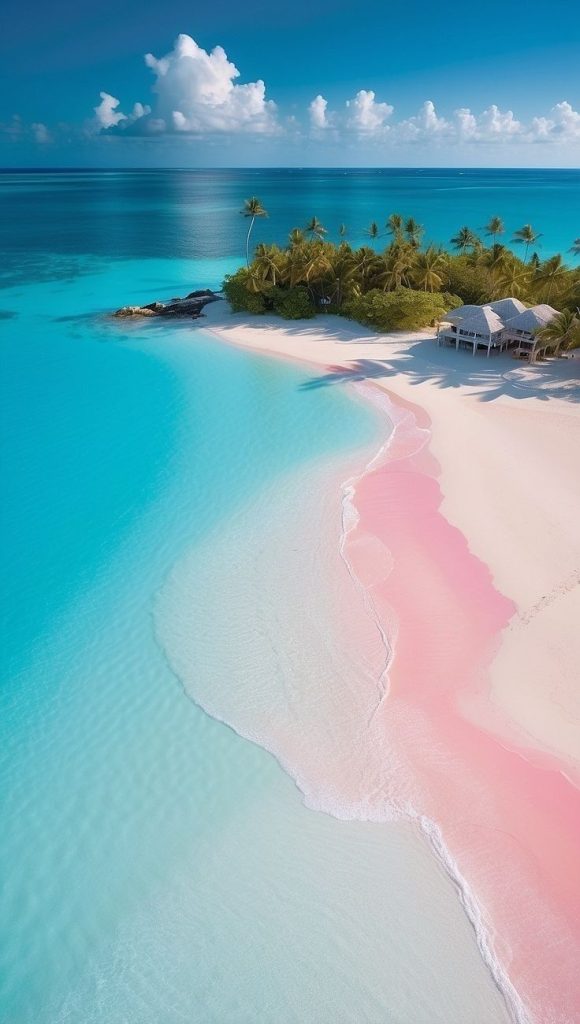
| Elafonisi (Crete) | Fine pinkish sand, shallow lagoons. | „The European Caribbean.“ Famous for the unique color of its sand and a shallow, turquoise lagoon. A protected nature reserve. | Ideal for families with children and photography enthusiasts. Very crowded during peak season. |
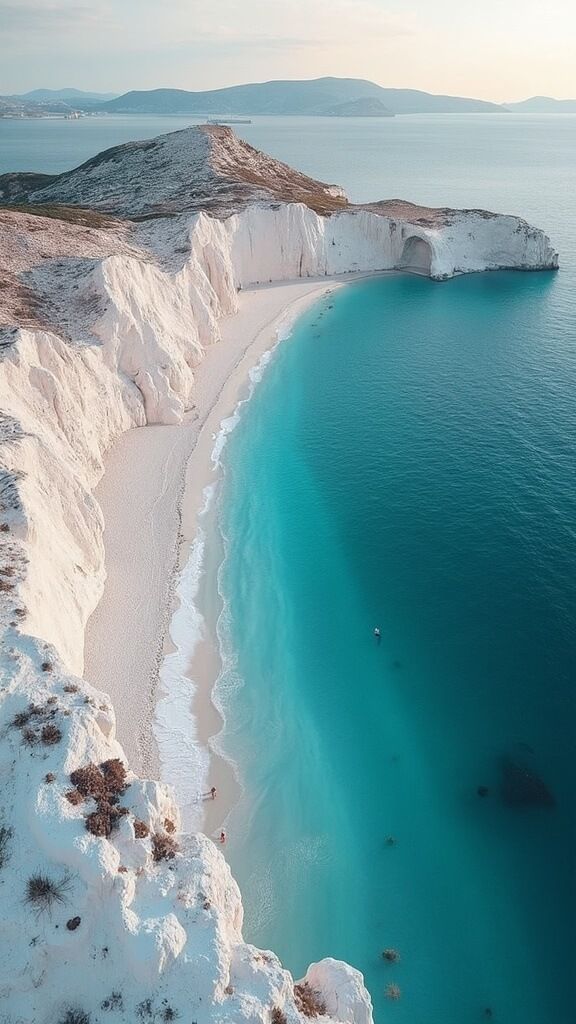
| Myrtos (Kefalonia) | White pebbles, deep blue water. | Scenic Beauty. A crescent-shaped beach surrounded by high cliffs. Featured in the movie Captain Corelli’s Mandolin. | Visit in the afternoon for golden light and stunning views from the lookout above the beach. |
| Balos (Crete) | Sand strips and lagoon. | Exotic Lagoon. A place where three seas meet. Accessible by boat or by car via a challenging road. | Bring plenty of water and food, as services are limited. |
| Red Beach (Santorini) | Red and black volcanic pebbles. | Unique Volcanic Contrast. Brick-red cliffs in contrast with aquamarine water. | Great for unique photos. The sand/pebbles are hot. |
| Porto Katsiki (Lefkada) | White pebbles, emerald water. | Cliff Dominance. A beach beneath limestone rocks rising directly from the sea. | Recommended to visit outside of peak season as it is very popular. |

2. When to Travel: Weather, Air, and Sea Temperature
Greece has a typical Mediterranean climate. The swimming season lasts from May to October.
A. Best Time to Travel
- Peak Season (July – August): The hottest and driest months. Ideal for swimming and nightlife, but beaches and sights are most crowded, and prices are highest. Temperatures can exceed 35∘C (95∘F).
- Ideal Time (May, June, September, October):
- May and June: Pleasant weather for relaxation, less crowded beaches, everything is green. The sea is warm enough for swimming.
- September and October: The recommended time. The sea is pre-heated from the summer (often warmer than in June), but air temperatures are milder (around 28∘C (82∘F)), and the number of tourists decreases.
B. Average Temperatures (South/Islands)
| Month | Air (Average Daily Max.) | Sea Water (Average) | Note |
| May | 24∘C (75∘F) | 18−20∘C (64−68∘F) | Ideal for exploring, start of the swimming season. |
| June | 29∘C (84∘F) | 22−23∘C (72−73∘F) | Hot days, the sea warms up quickly. |
| July | 32−35∘C (90−95∘F) | 24−25∘C (75−77∘F) | Peak heat and season. |
| August | 31−33∘C (88−91∘F) | 26∘C (79∘F) | Warmest sea, the northern wind Meltémi often moderates the heat. |
| September | 28∘C (82∘F) | 24−25∘C (75−77∘F) | Recommended month. Still warm with warm sea. |
| October | 22∘C (72∘F) | 21−22∘C (70−72∘F) | Suitable for a longer stay on the southern islands. |
3. Key Travel and Hotel Information
A. Travel Documents and Regulations
- Entry: Greece is a member of the EU and Schengen Area. You only need a valid ID Card or Passport for entry.
- Children: Children under 15 must have their own travel document (passport or ID card).
- Car/Scooter Rental: You will need a valid driver’s license. The alcohol tolerance limit for driving is 0.5 ‰.
B. Fees and Currency
- Currency: Euro (€). Card payments are common, but it’s worth having a small amount of cash (Euros) for markets, stalls, and tipping.
- Tourist / Climate Tax (VIRAL CHANGE 2024/2025):
- A Climate Tax (formerly Tourist Tax) has been introduced since January 1, 2024, which must be paid upon arrival at the hotel reception.
- Its amount depends on the accommodation category per room/apartment per night (not per person):
- 1-2* hotels: 2 €
- 3* hotels: 5 €
- 4* hotels: 10 €
- 5* hotels: 15 €
- Note: Rates are lower outside the main season (November–February).
C. Culture and Health (Worth-Knowing Tips)
| Area | Important Information and Tips |
| Toilets | DO NOT flush toilet paper! Due to narrow waste pipes (common in many Mediterranean countries), it is necessary to dispose of used paper in the provided bin. |
| Water | In larger cities and mainland Greece, tap water is often potable, but on smaller islands, it is recommended to drink bottled water (also due to taste). |
| Time Difference | Greece is 1 hour ahead (+1h) of Central European Time. |
| Siesta | Greeks appreciate a relaxed pace and warmth. Lunch and the main rest period (siesta) traditionally last from 2:00 PM to 5:00 PM. Between 11:00 AM and 3:00 PM, it is recommended to seek shade. |
| Dress Code | When visiting churches and monasteries, appropriate attire is required: covered shoulders and knees. |
| Nudism | Is legally prohibited outside of officially designated or very secluded beaches, where it is often tolerated. |
| Health | Travel insurance is recommended. Remember to bring your European Health Insurance Card. No specific vaccinations are required. |
| Souvenirs | Beware of poppy seeds! Importing poppy seeds into Greece can be considered illegal. It is also strictly forbidden to export any items (shells, sand, stones) from historical sites or protected beaches (e.g., Elafonisi). |
D. Transportation
- Plane: The most comfortable and fastest way. International airports are in major cities (Athens, Thessaloniki) and on most islands (Crete, Rhodes, Corfu, Zakynthos, etc.).
- Ferries: Essential for island hopping. They are reliable and connect even distant destinations.
- Car: Driving to Greece from mainland Europe is possible, but due to border crossings through non-Schengen countries (like Serbia and North Macedonia), it’s advisable to have a passport just in case.