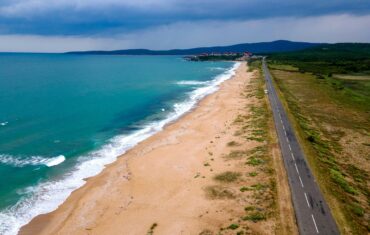
Turkey offers an unparalleled combination of extensive, beautiful coastlines and luxurious all-inclusive resorts. The Turkish Riviera (Mediterranean Sea) and the Aegean Coast are the most popular destinations. Here is a comprehensive overview of everything you need to know: when to go, where to find the best spots, and essential travel advice.
1. The Best and „Viral“ Beaches
Turkey boasts over 450 beaches awarded the Blue Flag, certifying their cleanliness and quality. The most stunning beaches are found along the Turquoise Coast (Fethiye/Marmaris area) and the Turkish Riviera (Antalya/Alanya area).
| Beach Name / Location | Characteristics | Why It’s „Viral“ (Must-See) | Beach Type |
| Ölüdeniz (Blue Lagoon) | One of the most photographed beaches in Turkey. A nature reserve with calm, turquoise water, ideal for relaxation and families. | Paragliding from Mount Baba Dağ. The view of the lagoon during the flight is world-famous. | Sand/Pebbles |
| Kaputaş Beach | A hidden gem nestled between the towns of Kaş and Kalkan, carved deep between cliffs. It has vibrant turquoise water and is perfect for photography. | The „Turkish Maldives.“ Accessible via a long staircase from the main road, giving it an exotic, secluded feel. | Fine Pebbles/Sand |
| Kleopatra Beach (Alanya) | A legendary 3.5 km long beach where Queen Cleopatra herself supposedly swam. The sand is said to have been transported from Egypt. | The Iconic Alanya Castle sits directly above the beach, offering a cable car ride with amazing views. | Golden Sand |
| Iztuzu Beach (Dalyan) | A golden, 4 km long beach surrounded by pine trees, separating fresh and saltwater. | Nesting ground for Caretta-caretta turtles. Due to nature protection, it is extremely clean and suitable for families with children. | Sand |
| Lara Beach (Antalya) | A long, wide beach in Antalya, known as the „Turkish Las Vegas.“ It is lined with a strip of luxury all-inclusive hotels designed to mimic global landmarks. | The Hotels: Including Titanic, Concorde, and Mardan Palace. Ideal for those seeking maximum luxury and services. | Darker Sand and Fine Pebbles |

2. When to Travel: Weather and Temperatures
Turkey has a Mediterranean climate with long summers. The best period for a beach holiday is from May to October.
A. Best Time for Swimming
| Season | Period | Conditions and Recommendation |
| Peak Season | July – August | The highest air and sea temperatures. All resorts are full. WARNING: Extreme heat may occur (up to 40∘C). |
| Shoulder Season | May, June, September, October | Ideal time. Pleasant temperatures for swimming and excursions. Fewer tourists, lower prices. September is the best—the sea is warmest after the summer. |
B. Average Temperatures on the Turkish Riviera (Antalya, Alanya)
| Month | Air (Daily Maximum) | Water (Mediterranean Sea) |
| May | 24∘C – 27∘C (75−81∘F) | 20∘C – 22∘C (68−72∘F) |
| June | 29∘C – 32∘C (84−90∘F) | 22∘C – 25∘C (72−77∘F) |
| July | 33∘C – 36∘C (91−97∘F) | 25∘C – 28∘C (77−82∘F) |
| August | 33∘C – 36∘C (91−97∘F) | 26∘C – 28∘C (79−82∘F) (Warmest) |
| September | 29∘C – 32∘C (84−90∘F) | 25∘C – 27∘C (77−81∘F) |
| October | 25∘C – 28∘C (77−82∘F) | 23∘C – 25∘C (73−77∘F) |

3. Important Travel Information and Tips
A. Entry Requirements and Currency
- Visa and Passport: Citizens of Slovakia (and most EU countries) do not need a visa for stays shorter than 90 days (within a 180-day period). However, a valid passport is required, and its validity must extend for at least 6 months beyond the date of entry into Turkey. ID cards are not accepted for entry.
- Currency: The official currency is the Turkish Lira (TRY). In tourist centres (hotels, larger restaurants), you can often pay with Euros (EUR) or dollars. It is recommended to pay by card or in Lira to avoid unfavourable exchange rates when using Euros.
- Time Zone: EET / EEST (+1 hour relative to Central European Time / CET).

B. Hotels and Services
- All Inclusive (AI): The Turkish Riviera is the heartland of all-inclusive holidays. Hotels offer an exceptionally high level of service, rich gastronomy, and expansive grounds (often including their own water parks).
- For Families: Hotels are typically well-equipped for children (water slides, animation programs, kids‘ clubs).
- Luxury: Look for Belek (golf resorts) and Lara (themed luxury resorts).
C. Culture and Haggling (Viral Tip)
- Haggling (Bargaining): In markets, bazaars, and when buying carpets, leather goods, or souvenirs, haggling is expected and is part of the culture. Treat it as a fun game. Start negotiating at a price significantly below the initial offer (e.g., 50%) and meet the vendor somewhere in the middle.
- Hospitality: Turks are famously hospitable. They will often invite you to share tea (çay) or coffee.
- Safety: Turkey is generally safe for tourists in coastal areas. Be mindful of minor crimes (pickpocketing) in crowded bazaars and tourist spots.

D. Transportation and Excursions
- Dolmuş: This is the cheapest and most common form of transport between hotels and resort centres. They are shared minibuses. They stop anywhere on the road if you flag them down. To get off, simply call out „STOP“ (or „dur“).
- Excursions (Must-Do): Distances between major attractions (e.g., from Antalya to Cappadocia or Pamukkale) are large, so plan your trips in advance. Popular excursions include:
- Pamukkale: Unique white travertine terraces with thermal water.
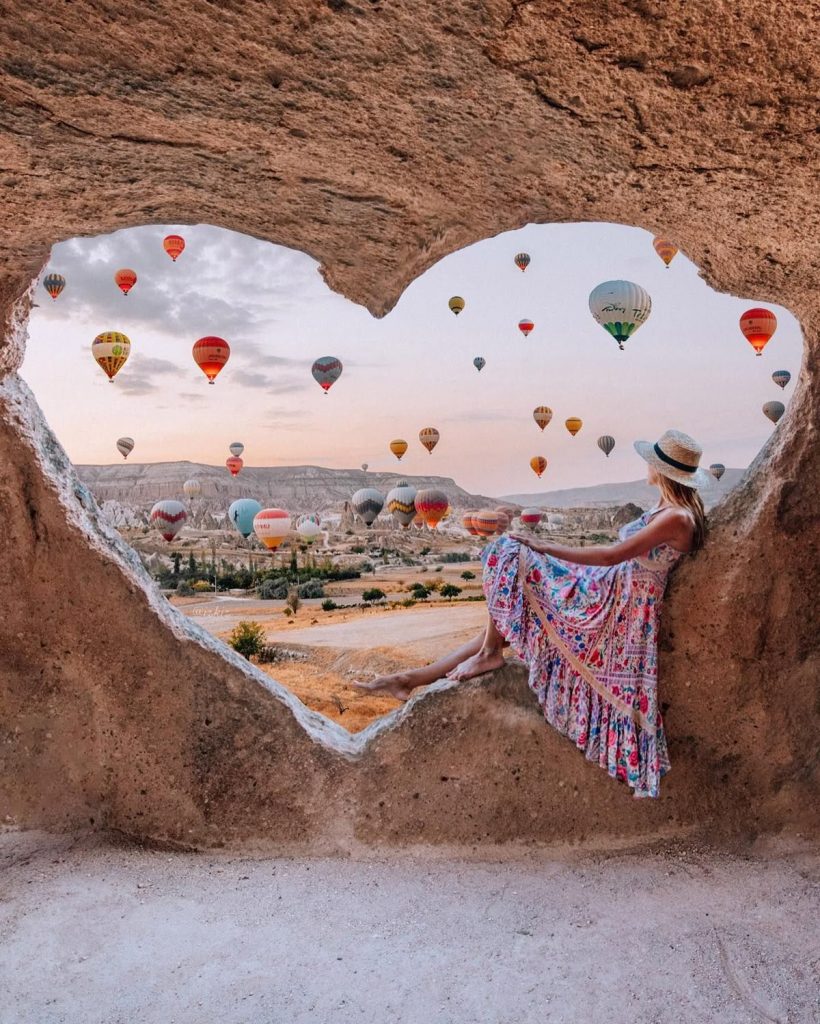
- Cappadocia: A moonscape region famous for hot air balloon rides and cave dwellings (further inland).
- Ephesus: One of the best-preserved ancient Roman cities.
- Suluada (Turkish Maldives): A boat trip to an uninhabited island with white sand and turquoise water.