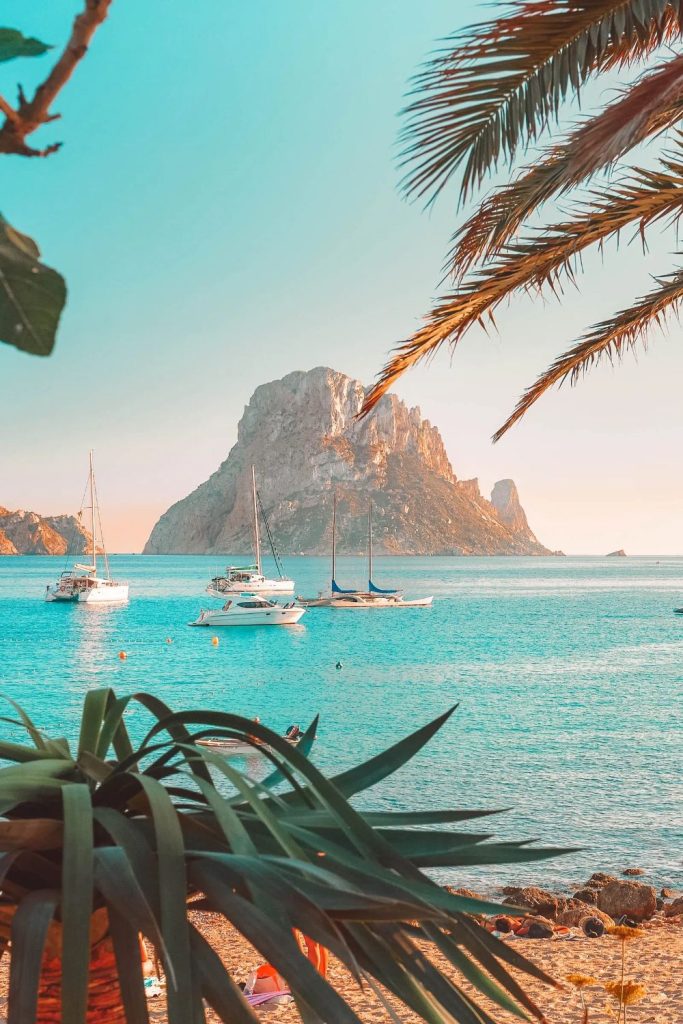
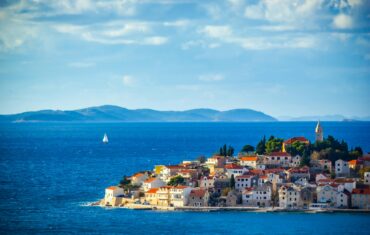
Spain, the land of sun, flamenco, and endless coastline, offers immense diversity, from the lush northern shores to the dry, subtropical islands. Here is a comprehensive overview of the best beaches, when to travel, and essential tips for a perfect Spanish holiday.
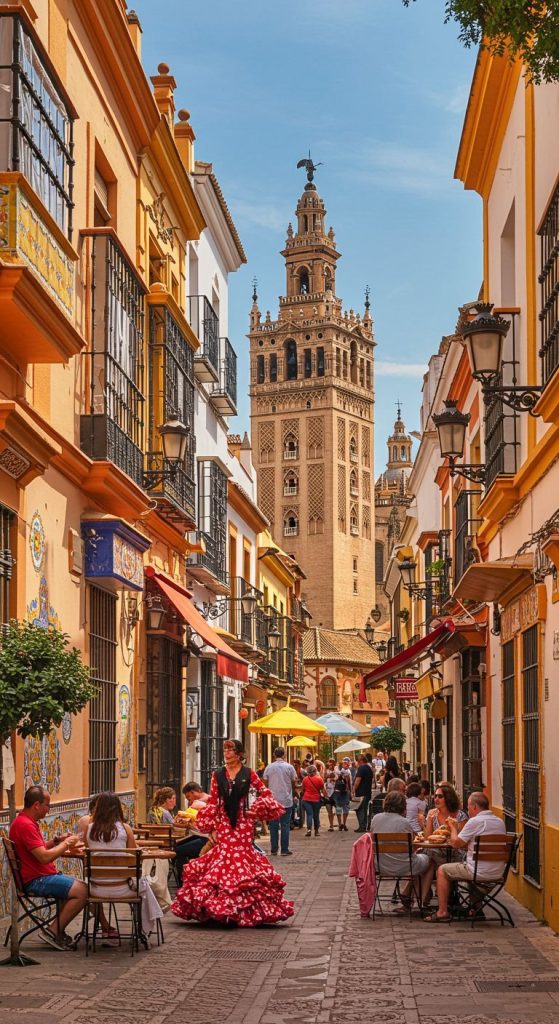
1. The Best and „Viral“ Beaches of Spain
Spain is a world leader in the number of beaches awarded the Blue Flag (a symbol of quality, cleanliness, and safety). The most beautiful beaches are divided between the mainland (Mediterranean Coast, Atlantic Coast) and island gems (Balearic and Canary Islands).
| Beach / Location | Characteristics | Why It’s „Viral“ (Must-See) | Coastline |
| Playa de Ses Illetes | Perfectly white sand and turquoise water. Often cited as Europe’s most beautiful beach, resembling the Maldives. | Formentera: A quiet, exclusive island where the beaches remain unspoiled. | Balearic Islands |
| Cala Macarella & Macarelleta | A pair of coves with azure water and white sand, surrounded by pine forests. | Menorca: Ideal for snorkeling and escaping the biggest crowds, although summer parking is limited. | Balearic Islands |
| Playa de la Concha | Voted as one of the best city beaches in Europe. Shell-shaped, calm sea, located right next to the historic city center. | San Sebastián (Basque Country): A combination of a luxury city and a top beach, famous for its Michelin-starred gastronomy. | Atlantic Coast (North) |
| Dunas de Maspalomas | Giant sand dunes stretching 11 km to the ocean. Looks like a scene from the Sahara. | Gran Canaria: A protected nature reserve and one of the most iconic images of the Canary Islands. | Canary Islands |
| Playa El Bollullo | A small, wild cove with black volcanic sand, surrounded by banana plantations. | Tenerife (North): A romantic beach with a dramatic natural backdrop, a great contrast to the golden beaches in the south. | Canary Islands |
| Playa de los Alemanes | A 1.5 km long, quiet, golden beach in a bay. Secluded and sought after even by celebrities. | Cadiz (Andalusia): Legendary for its clarity and tranquility. | Mediterranean/Atlantic Coast (South) |
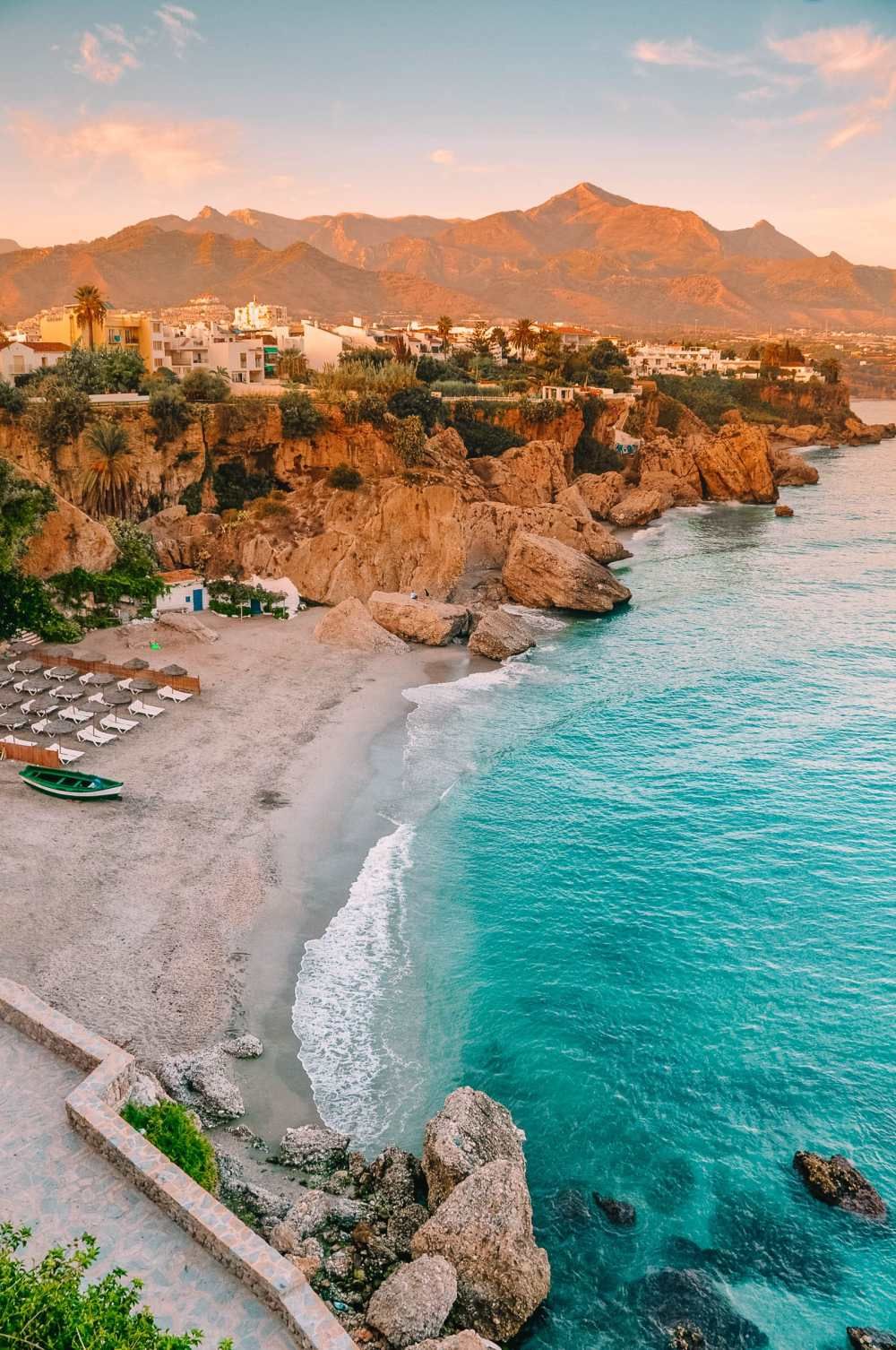
2. When to Travel: Weather and Temperatures
Spain has various climate zones, but the main tourist season is from June to September.
A. Best Time for a Beach Holiday
| Season | Period | Conditions and Recommendations |
| Peak Season | July – August | Highest air and sea temperatures, stable and sunny weather. WARNING: Mainland areas (Andalusia, inland) may experience extreme heat, sometimes exceeding 40∘C (104∘F). |
| Ideal Season (Best Time) | May, June, September, October | Pleasant temperatures suitable for both swimming and excursions. The sea is warmest in September and October after the summer. Fewer tourists, better prices. |
| Canary Islands | All Year | Thanks to the subtropical climate, they are ideal for year-round swimming. Temperatures are stable, ranging from 18∘C–25∘C (64−77∘F). |
B. Average Temperatures (Mediterranean Coast, e.g., Mallorca / Malaga)
| Month | Air (Daily Maximum) | Water (Mediterranean Sea) |
| May | 22∘C (72∘F) | 18∘C – 20∘C (64−68∘F) |
| June | 26∘C – 28∘C (79−82∘F) | 21∘C – 24∘C (70−75∘F) |
| July | 29∘C – 32∘C (84−90∘F) | 24∘C – 26∘C (75−79∘F) |
| August | 30∘C – 34∘C (86−93∘F) | 26∘C – 27∘C (79−81∘F) (Warmest) |
| September | 27∘C – 29∘C (81−84∘F) | 24∘C – 26∘C (75−79∘F) |
| October | 22∘C – 24∘C (72−75∘F) | 22∘C – 24∘C (72−75∘F) |
3. Essential Travel Information and Tips
A. Entry Requirements and Currency
- Documents: Spain is a member of the EU and the Schengen Area. Citizens of Slovakia and most EU countries can enter with a valid ID card or passport.
- Currency: Euro (EUR).
- Card Payments: Card payments are common almost everywhere (restaurants, shops, hotels).
- Tap Water: On the mainland, tap water is usually safe to drink. On the islands (especially the Balearics), it is safer and tastier to drink bottled water.
B. Hotels and Accommodation
- All Inclusive vs. Boutique: While large all-inclusive resorts are common on the Costa del Sol and the Canary Islands, the Balearic Islands (e.g., Menorca) and cities (Barcelona, Seville) also feature smaller boutique hotels and rural fincas.
- Apartments: Renting apartments is popular, but regulations are tightening, and some listings, especially in cities like Barcelona and Tenerife, may be considered illegal short-term rentals.

C. Culture, Dining, and „Viral“ Customs
- Siesta: In many places, especially smaller towns and inland, the siesta (break) is observed from approximately 2:00 PM to 5:00 PM. Small shops and offices may be closed during this time. This is less strict in major tourist centers.
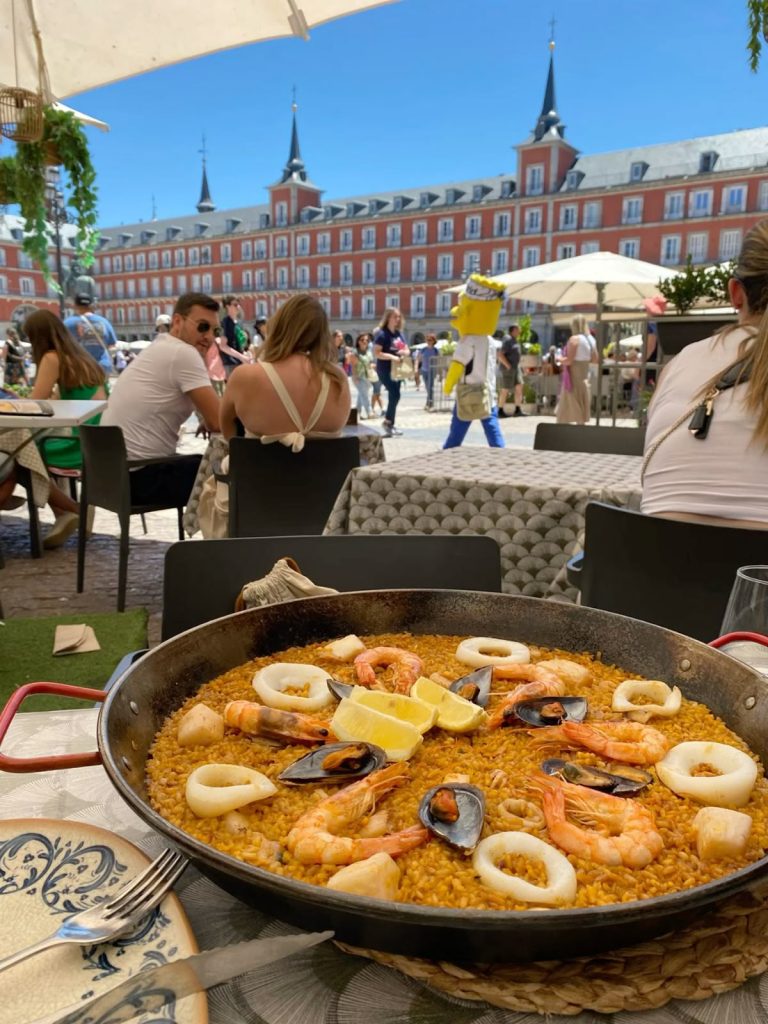
- Dinner Time: Spaniards eat dinner very late. Restaurants fill up with locals only around 9:00 PM – 10:00 PM. If you go to dinner at 6:00 PM, you’ll likely be the only guests.
- Tapas (The Free Snack): In many regions (e.g., Andalusia, Granada), you get tapas (a small snack) free of charge with every drink (beer, wine, tinto de verano). It’s an authentic and inexpensive way to eat.
- Mountain Contrast: Spain has the second-highest number of mountain ranges in Europe (after Switzerland). Don’t miss the Sierra Nevada in Andalusia, where you can ski and still see the sea, or the Pyrenees.
- Safety: Spain is generally safe for travel, but in big cities (Barcelona, Madrid) and crowded tourist spots, be extremely cautious of pickpockets. Do not carry valuables in visible places.