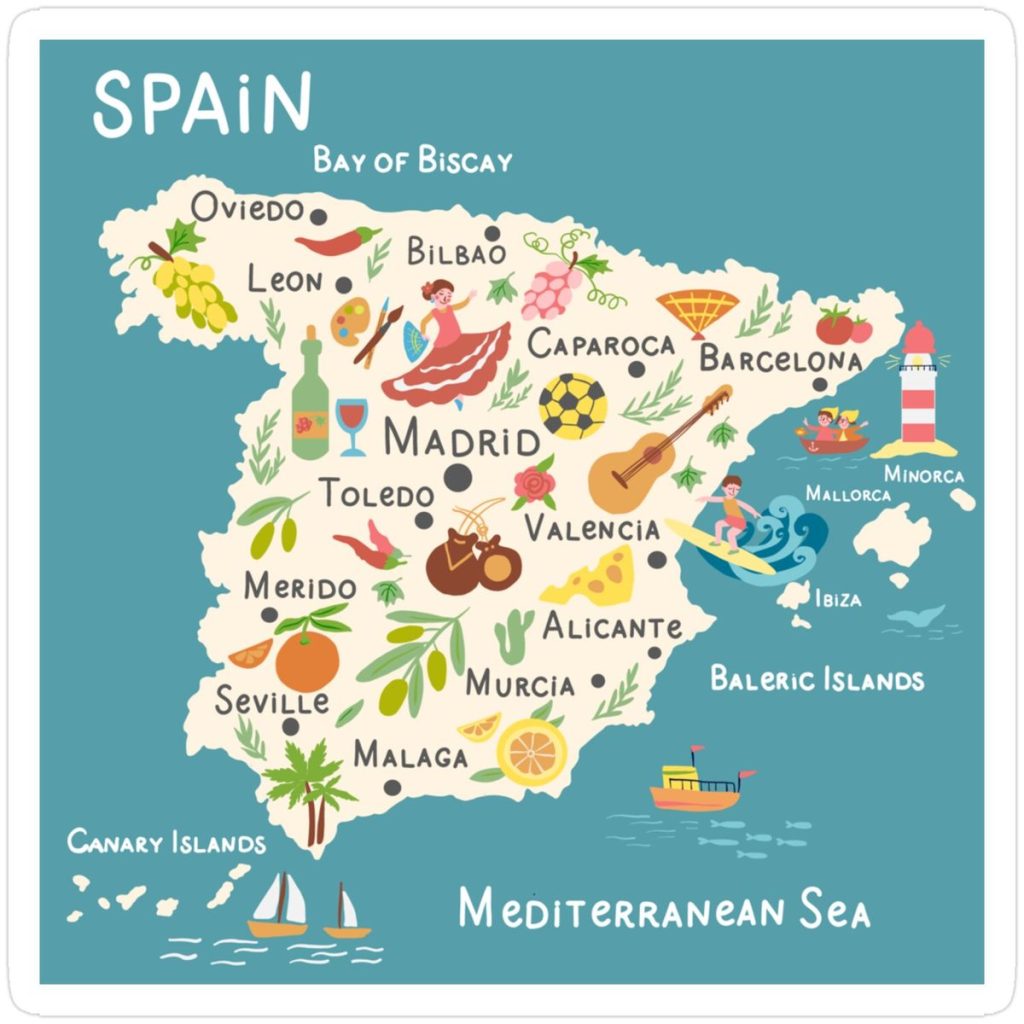
Guide to Spain: Essential Travel Information and Tips
Spain, a vibrant country renowned for its sunny beaches, rich history, and passionate culture, offers an incredible variety of experiences. Whether you’re planning a trip to the mainland, the Balearic Islands, or the Canary Islands, here is the essential information you need for a smooth and enjoyable Spanish holiday.
1. Quick Facts & Travel Essentials
| Category | Details |
| Capital | Madrid |
| Official Language | Spanish (Castilian), plus regional languages like Catalan, Basque, and Galician. |
| Currency | Euro (€) |
| Time Zone | Central European Time (CET, UTC +1). The same as Slovakia. |
| Entry Requirements (for EU Citizens) | A valid ID card or passport is sufficient, as Spain is part of the EU and Schengen Area. Children must have their own valid travel document. |
| Water | Tap water is generally safe to drink but can be heavily chlorinated, especially in coastal and island areas. Bottled water is widely preferred for taste. |
| Electricity | 230V, using European plugs (Type C and F). No adapter is usually needed. |
| Emergency Number | 112 (Universal EU emergency line for Police, Fire, and Ambulance) |
Exportovať do Tabuliek
2. When to Visit: Climate and Sea Temperatures
Spain has diverse climate zones, but the most popular time for beach holidays is summer.
| Season | Period | Conditions and Recommendations |
| Peak Season (Hot) | July – August | Best for swimming and sunbathing. Expect temperatures often exceeding 30∘C (86∘F). Inland areas (like Andalusia) can be extremely hot (35∘C+). |
| Ideal Season (Best Time) | May, June, September, October | Pleasant temperatures perfect for both beaches and sightseeing. Sea is warmest in September and early October following the summer heat. Fewer crowds and better prices. |
| Canary Islands | Year-Round | Thanks to their subtropical climate, the islands offer stable, pleasant temperatures between 20∘C–25∘C (68−77∘F) all year, making them an excellent winter escape. |
| Average Sea Temp (Mediterranean) | June: 21∘C−24∘C (70−75∘F) August/September: 26∘C−27∘C (79−81∘F) |
Exportovať do Tabuliek
3. Top Regions and Iconic Sights
Spain’s geography and history have resulted in dramatically different regions, each offering unique experiences.
| Region / Islands | Known For | Must-See Attractions |
| Andalusia (South) | Flamenco, Moorish architecture, and hot weather. Home to the Costa del Sol. | Alhambra Palace (Granada), Seville Cathedral, and the Mezquita-Cathedral (Córdoba). |
| Catalonia (Northeast) | Modernist architecture, culture, and coastal life. | Barcelona (Sagrada Familia, Park Güell, Las Ramblas), Costa Brava. |
| Balearic Islands | White-sand beaches, crystal-clear water, and vibrant nightlife. | Mallorca (family resorts, mountains), Ibiza (parties and secluded coves), Formentera (pristine beaches). |
| Canary Islands (Atlantic) | Volcanic landscapes, year-round sun, and diverse nature. | Mount Teide (Tenerife), Maspalomas Dunes (Gran Canaria), Timanfaya National Park (Lanzarote). |
| Basque Country (North) | Unique culture, lush green landscapes, and a world-class culinary scene. | San Sebastián (famous for pintxos and La Concha beach), Guggenheim Museum (Bilbao). |
Exportovať do Tabuliek
4. Culture, Etiquette, and Practical Tips
The Spanish way of life is relaxed and emphasizes socializing, especially around food.
- Dining Hours (Late): Spaniards eat lunch late (typically 2:00 PM – 4:00 PM) and dinner even later (usually starting around 9:00 PM – 10:00 PM). If you eat dinner before 8:00 PM, you’ll mostly be dining with other tourists.
- Siesta: The traditional afternoon break (siesta, roughly 2:00 PM – 5:00 PM) is still common in smaller towns and non-touristy areas, meaning small shops and offices may close during this time. It is less common in major cities.
- Tapas Culture: In some regions (especially Granada), you will often receive a free small snack (tapas) with every alcoholic drink you order (beer, wine, tinto de verano).
- Safety: Spain is very safe, but in crowded tourist areas of major cities (like Barcelona and Madrid), be extremely vigilant against pickpockets. Keep your wallet, phone, and documents secured.
- New Regulations (Islands): Local governments, particularly in the Balearic Islands (Mallorca, Ibiza), are cracking down on excessive tourism. Strict rules are often enforced against drinking alcohol in public spaces outside of licensed venues, and fines can be significant. Always respect local signs and regulations.
- Tipping: Tipping is not mandatory but appreciated. For good service in restaurants, leaving an extra 5% to 10% is customary.